
Blog
How to Choose a TCG Binder: Pocket Sizes, Zipfolios and Storage Tips


If your collection is growing beyond a deck box, a proper binder is usually the next smart upgrade. GameSummon has a deep Binders range, plus matching Sleeves, Deck Boxes and Playmats, so you can build a storage setup that suits how you collect and play.
This guide focuses on the practical questions collectors usually ask first: pocket layout, page style, closure type and card size. If you want more card-game reading after this, you can also browse the TCG blog archive or our How to Choose a TCG guide hub.
Table of contents
What to look for in a TCG binder
The best binder is not always the biggest one. A better question is how you actually use your collection. If you bring favourites to trades, want a neat home for a master set, or prefer to file playsets together, those needs point to different formats.
Three details matter most:
- Loading direction. Side-loading pockets are a strong everyday choice because cards sit more securely while you are flipping pages or carrying the binder.
- Closure. Zip binders offer the most complete closure, while elastic straps keep a slimmer binder tidy and easy to grab.
- Page system. Integrated pages are straightforward and travel well. Loose pages are more flexible if you want to reorganise sections or mix card sizes.
Card size also matters. Standard-size collections have the widest choice, but smaller Japanese-size cards often benefit from products made for that format specifically. That is where dedicated binder pages can be useful.
Which pocket layout suits your collection
| Format | Typical capacity | Best for | Examples at GameSummon |
|---|---|---|---|
| 8-pocket zip binder | 160 cards | Smaller personal collections, favourite cards, compact travel binder | Ultimate Guard Zipfolio 160 8-Pocket XenoSkin Portfolio |
| 18-pocket binder | 360 cards | General-purpose collecting, trades, one binder for one game or set line | Ultimate Guard Zipfolio 360 18-Pocket XenoSkin Portfolio, Ultimate Guard Flexxfolio 360 |
| 24-pocket playset binder | 480 cards | Sorting larger sets, keeping playsets together, collectors who want more room per binder | Ultimate Guard 480 24-Pocket XenoSkin Portfolio, Ultimate Guard Zipfolio 480 24-Pocket XenoSkin Portfolio |
| Loose 18-pocket pages | Depends on binder | Collectors who want a ring-binder system or separate sections for different card sizes | Dragon Shield 18-Pocket Binder Pages, Dragon Shield Japanese Binder Pages |
If you are unsure, an 18-pocket binder is usually the safest starting point. It gives you meaningful capacity without becoming awkward to flip through, and the format is widely used across card games.
Good binder picks at GameSummon
A dependable all-rounder: 18-pocket zip binders
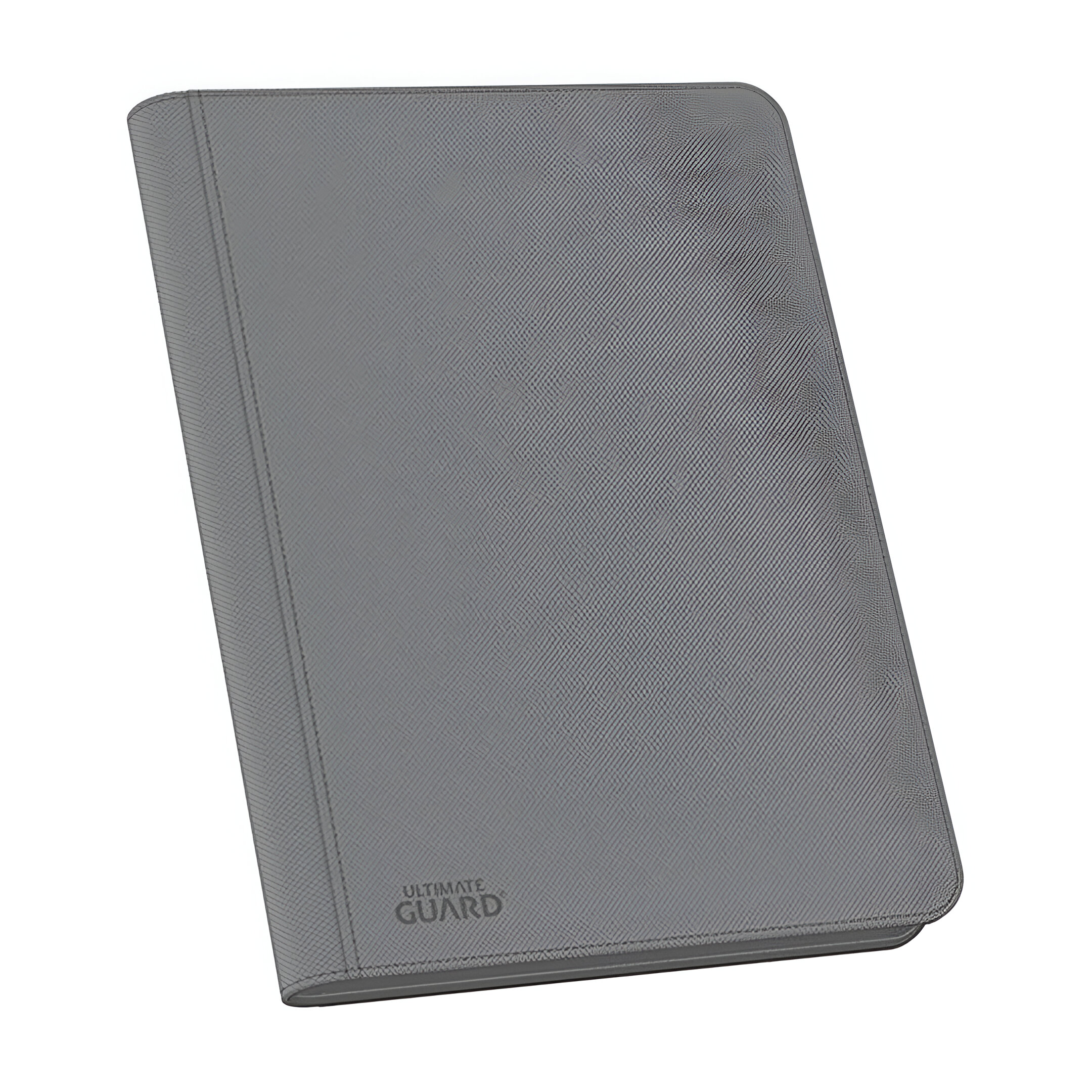
The 18-pocket zip format is the default recommendation for most collectors. GameSummon’s Ultimate Guard Zipfolio 360 line uses 20 integrated side-loading pages for a 360-card capacity, plus a full zip closure. That makes it a practical choice if you want one binder for a game, a set block or a steadily growing favourites collection.
If you prefer a slimmer closure, the Ultimate Guard Flexxfolio 360 18-Pocket Portfolio keeps the same 360-card style of capacity with an elastic strap instead of a zip.
Best for playsets and larger runs: 24-pocket portfolios

If you organise full playsets or simply dislike splitting a collection across several binders, the 24-pocket format is worth a look. The Zipfolio 480 range is described as being optimised for playsets, with 20 integrated 24-pocket pages and a zipped XenoSkin cover. It is a sensible step up when an 18-pocket binder feels too cramped.
Best for ring-binder flexibility: Dragon Shield loose pages

Loose pages make sense if you want more control over how your collection is arranged. The standard-size Dragon Shield 18-pocket pages use side-loading pockets, a black textured backing and archival-safe polypropylene. For collectors who like to re-order sets, split rarity sections or keep trade stock separate, this approach is more flexible than a fixed-page album.
If you collect smaller cards, the Dragon Shield Japanese 18-pocket pages are the better fit. They are aimed at Japanese-size cards and are designed for both A4 and US letter binders.
Best for a smaller curated collection: compact zip binders
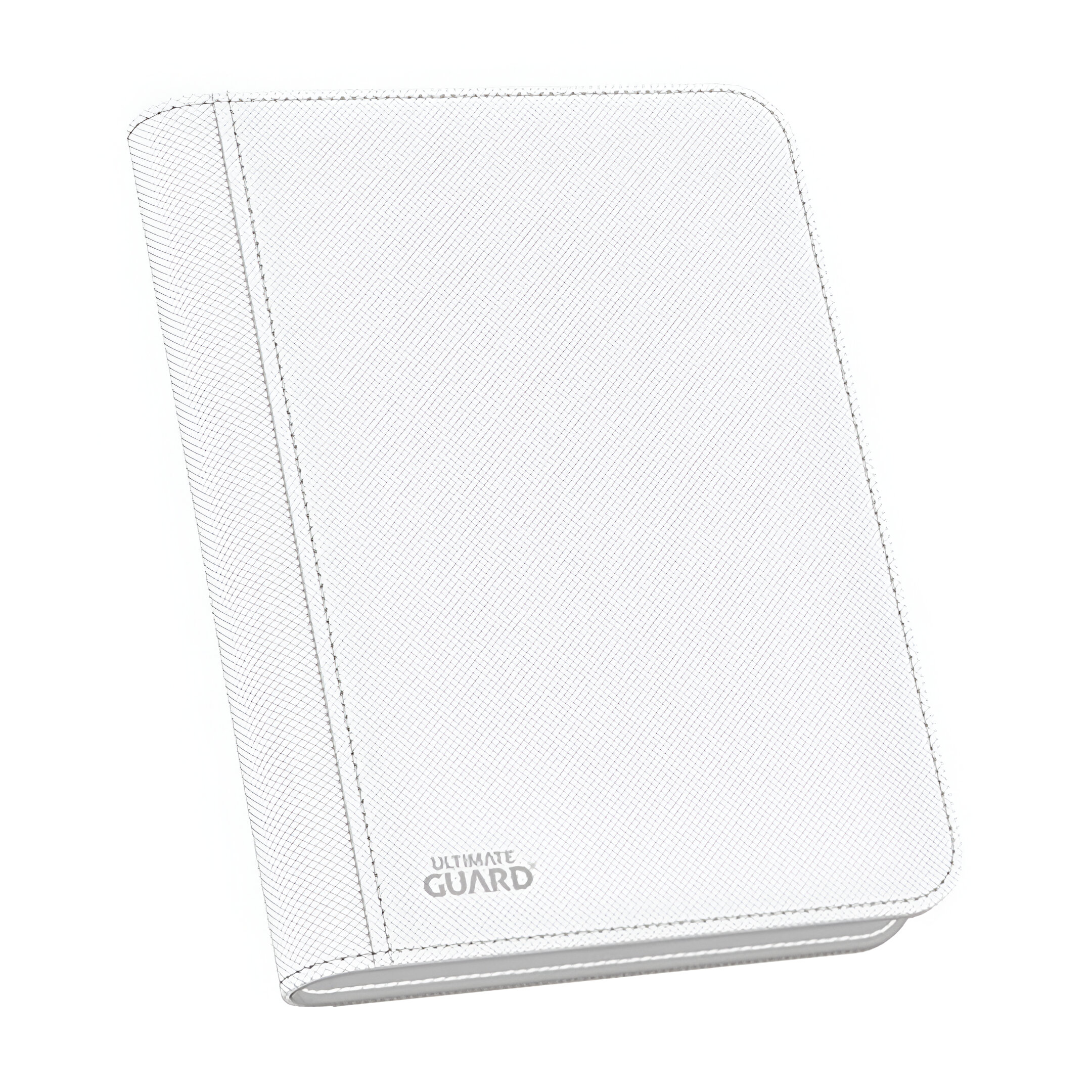
Not everyone needs a large archive binder. A compact 8-pocket zip binder is a good fit for a favourites collection, a trade selection or a focused set of chase cards. The Zipfolio 160 uses side-loading pages and a full zip closure, giving you a neater, lighter option without moving to loose pages.
Build a simple protection setup around your binder
A binder works best as part of a small system rather than as your only storage product. A simple, low-fuss setup usually looks like this:
- Your display or collection cards go in a binder from the Binders category.
- Cards you handle often should also be paired with suitable Sleeves.
- Decks or current play piles are easier to carry in dedicated Deck Boxes.
- If you like a cleaner play surface at home or at events, a Playmat rounds the setup out nicely.
That mix keeps your binder for sorting and showing cards, while the cards in regular rotation live elsewhere. If your collecting spans sealed product as well as accessories, our One Piece TCG collector’s guide is another useful example of building a collection with display and storage in mind.
Common binder-buying mistakes
- Buying by cover art alone and ignoring pocket count.
- Choosing a huge binder when a smaller one would be easier to browse and carry.
- Using standard-size pages for smaller cards when a Japanese-size page would fit better.
- Assuming every collector needs ring-binder pages, when an integrated zip binder is often simpler.
- Forgetting the rest of the protection chain: sleeves for handling, deck boxes for transport and a binder for storage.
If you want one straightforward answer, start with an 18-pocket side-loading binder. It is the most balanced format for most TCG collections, and it leaves plenty of room to refine your setup later.
FAQ
Is a side-loading binder better than a top-loading binder?
For most collectors, yes. Side-loading pockets add a little more security when you are carrying the binder around, and several GameSummon binder lines use that layout.
What pocket layout should I choose for a TCG binder?
Choose 8-pocket if you want a smaller personal binder, 18-pocket if you want an all-round collection binder, and 24-pocket if you sort full playsets or larger set runs.
Can these binders hold sleeved cards?
Many of the binders linked here are described by the manufacturer as suitable for double-sleeved cards, but it is still worth matching the binder format to how bulky your sleeves are and how tightly you like to pack a page.
Should I buy integrated pages or loose binder pages?
Integrated pages are the simpler option for most people. Loose pages make more sense when you want to reorganise often, separate different card sizes, or build a ring-binder system over time.