Blog
Root Expansions Explained: What They Add and How to Choose


Root expansions can look simple from the outside: more woodland factions, more cards, more ways to play. In practice, each add-on solves a different table problem. Some expansions are best when your group wants new asymmetric factions to learn. Others are better if you mostly play at lower player counts, want solo-friendly opponents, or simply want a smoother setup for a game that already reaches the table often.
The quick answer: start with the reason you want more Root. Choose a major faction expansion when your regular group already enjoys Root’s negotiation, conflict and faction learning curve. Choose hirelings when you want the board to feel busier with fewer players. Choose Clockwork-style content when you want automated opponents or more flexible sessions. Save smaller decks, playmats and accessories for the point where Root has become a regular part of your table.

Why Root Expansions Need a Buying Strategy
Root is not a game where every expansion does the same job. The base experience is already built around asymmetry: different factions approach movement, combat, scoring and table pressure in distinct ways. That is the charm, but it also means new content adds teaching load as well as replay value. A good Root purchase is not simply the biggest box on the shelf. It is the box that fixes the friction your table actually has.
If your group loves learning new systems, a faction expansion can be brilliant because it changes how the whole table reads the woodland. If your group struggles to make lower player counts feel tense, hirelings or automated opponents may do more for your next session than another full faction. If you already play Root often, a deck or playmat can refresh the physical rhythm of the game without asking everyone to learn a new strategic engine.
This is also why a Root guide should not start with a fixed ranking. Your best next expansion depends on how many people usually play, how comfortable they are with asymmetric rules, and whether your table wants more conflict, more variety, or more convenience.
Start With Your Table Size
Player count is the most practical filter. Root shines when the map has enough pressure that every clearing matters. With more players, the board tends to generate its own conflict. With fewer players, you may want systems that add presence, uncertainty or alternative priorities so the game does not feel too open.
If you usually play with four or more people, a larger faction expansion can be a strong route because there are enough players to absorb extra asymmetry. New factions create new negotiation patterns, new threats and new tempo puzzles. For a regular group, this can make Root feel alive again without replacing the core game.
If you usually play with two or three people, consider hirelings and automated-opponent content first. These options can make the woodland feel less empty and give players more to react to between turns. They are especially useful when one player wants a richer map state but the group does not always have a full table available.

Choose Faction Expansions When You Want New Table Politics
The most exciting Root expansions are often the ones that add new ways to think. A new faction does not just give one player a new board. It changes what every other player must watch. Does the new faction score in bursts or steadily? Does it build a visible engine or threaten sudden swings? Does it pressure clearings directly, or reshape the incentives around movement and control?
That is why faction-heavy expansions are best for groups that already enjoy Root’s learning curve. They reward players who like comparing systems, spotting timing windows and negotiating around emerging threats. They are less ideal as a first purchase for a group still asking how the base factions work. Adding too much too soon can make Root feel heavier than it needs to be.
For a buyer, the useful question is not “which expansion is strongest?” It is “which expansion will my group actually teach, remember and replay?” If you have one enthusiastic organiser who enjoys learning rules in advance, bigger expansions become easier to justify. If every session starts cold, keep the next purchase focused.
Use Hirelings to Make Smaller Games Feel Busier
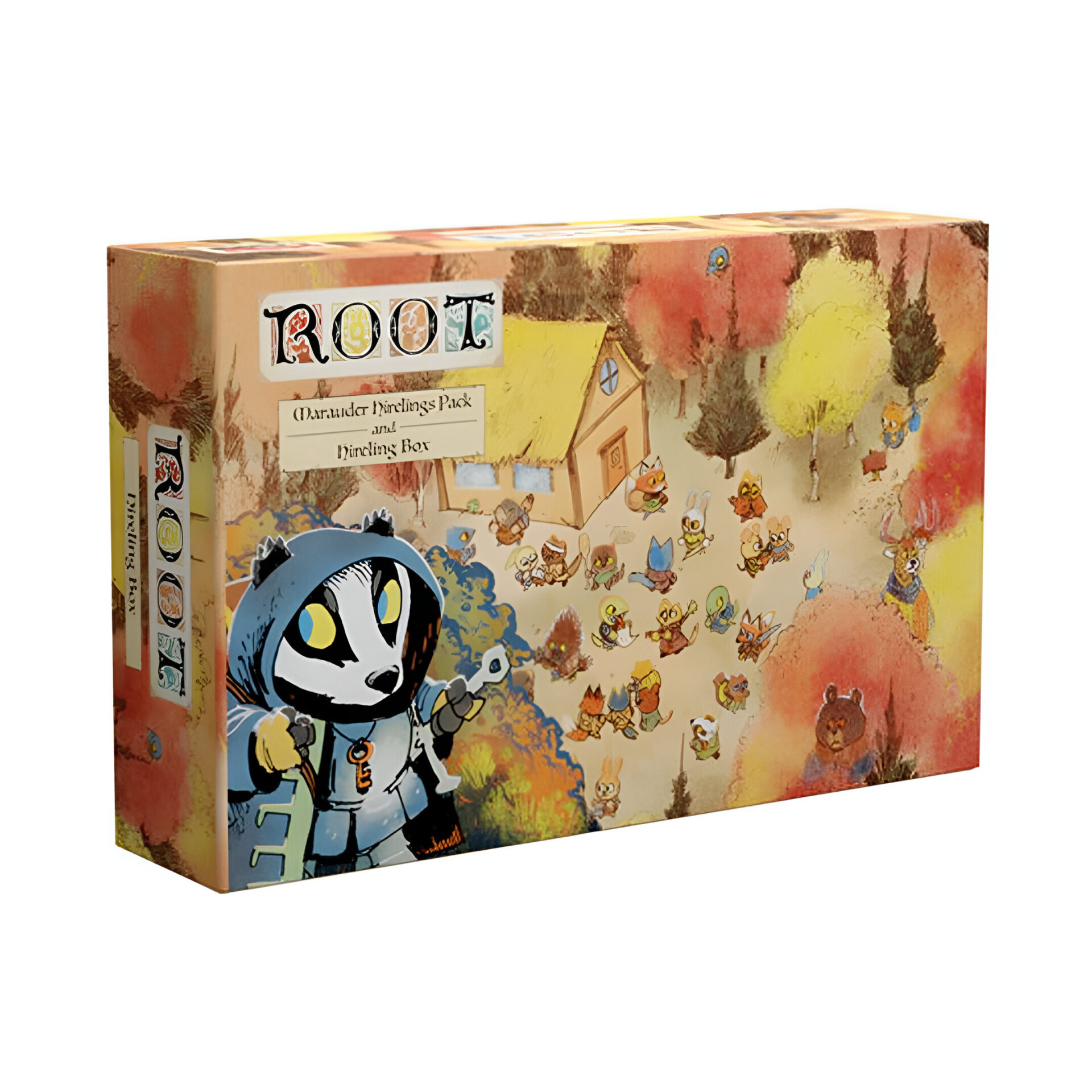
Hirelings are a clever answer to a common Root problem: fewer players can mean less pressure on the map. A hireling-style add-on can add tactical presence without requiring every person at the table to pilot a full new faction. This makes it attractive for couples, small groups, or households that want Root to work more often without waiting for the perfect player count.
They are also useful for groups that enjoy shifting board states. Hirelings can create new priorities in specific areas of the map, encouraging players to care about clearings they might otherwise ignore. That extra texture matters in a game where positioning and threat assessment are part of the fun.
The buyer’s caution is complexity. Even a smaller module can create more table chatter, more decisions and more rules references. If your group wants a cleaner two-player alternative, it may also be worth browsing two-player games alongside Root add-ons, then deciding whether you want deeper Root or a separate head-to-head title.
Pick Clockwork Content for Solo and Flexible Sessions
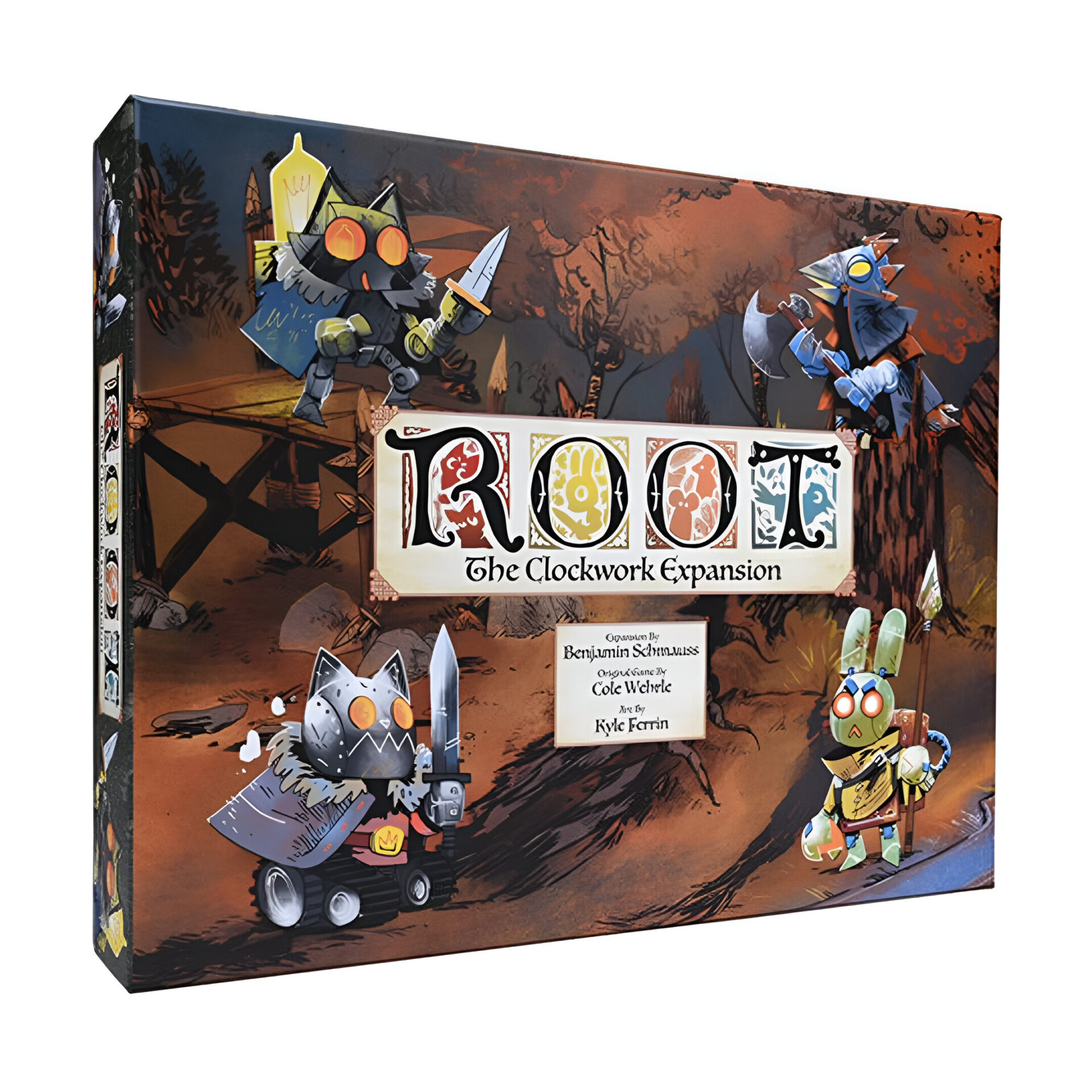
Clockwork-style expansions are designed for a different buying need: what happens when you want Root but cannot gather the exact group? Automated opponents can make solo sessions possible and can also help fill out a table when player count is awkward. That makes this route practical for players who love Root’s world but do not want the game trapped behind scheduling problems.
This kind of expansion appeals to analytical players who enjoy testing strategies, exploring faction matchups and learning the map without needing every decision to come from a human opponent. It can also help a household learn Root at its own pace, because you can practise openings and board reading outside a full group session.
The trade-off is personality. Automated systems are useful, but they are not the same as table talk, bluffing, persuasion and grudges remembered from last game night. If your favourite part of Root is negotiation, a faction expansion may feel more satisfying. If your biggest obstacle is getting Root played at all, Clockwork content may be the smarter purchase.
Do Not Ignore Decks, Playmats and Table Upgrades
Once a game becomes a regular feature, the best purchase is not always another large expansion. Smaller add-ons can improve how a familiar game feels in practice. A deck product can refresh repeated plays with new card texture. A playmat can make setup more pleasant, help the table read the board, and give a frequently played game a more deliberate presence on game night.
These products are not usually the first thing a new Root buyer needs. They make more sense once you already know your table likes the system. If the base game still feels underexplored, play more before adding comfort upgrades. If Root is already a favourite and the same group returns to it again and again, these smaller purchases can be easier to justify than another heavy rules module.

A Simple Root Expansion Decision Guide
| What your table wants | Expansion direction to consider | Why it helps |
|---|---|---|
| More asymmetric variety | Major faction expansions | They create new strategic identities and new table politics. |
| Better two- or three-player sessions | Hirelings | They add board presence and tactical pressure without needing another full player. |
| Solo practice or flexible player counts | Clockwork-style content | Automated opponents help Root reach the table more often. |
| A nicer repeat-play experience | Decks, playmats and accessories | They refresh or improve the physical experience once the core game is already loved. |
| A completely different but related experience | Root RPG books and accessories | They suit players who love the woodland setting and want story-led play rather than another board-game module. |
When to Browse the Root RPG Instead
Not every Root fan wants more board-game rules. Some people are drawn to the woodland itself: factions with motives, uneasy alliances, shifting clearings and stories that feel bigger than a single match. If that is the appeal, a roleplaying route may be worth exploring separately from board-game expansions.
The important distinction is play style. A Root board-game expansion is about sharper strategic variety around a competitive map. A Root RPG product is about character-led storytelling in the same broad woodland mood. Mixing the two in your shopping research is fine, but they answer different questions. One asks, “How do we make our next Root game different?” The other asks, “How do we tell stories in this world?”
You can compare both paths from the Root category page, then decide whether your next purchase should expand the board game, support a campaign-style table, or simply make repeat sessions easier to run.

Frequently Asked Questions About Root Expansions
What Root expansion should I buy first?
Start with the problem you want to solve. If your group wants new strategic identities, choose a larger faction expansion. If your games often have fewer players, look at hirelings or Clockwork-style content. If Root is already played often and you want a better table experience, consider decks, playmats or accessories.
Are Root expansions beginner-friendly?
Some are easier to introduce than others, but Root expansions generally work best once at least one player understands the base game well. Because Root is asymmetric, new content often adds more teaching and more table reading. A confident rules teacher makes expansion nights much smoother.
Are hirelings worth it for two-player Root?
Hirelings can be a good fit if your two-player games feel too open or quiet. They add extra presence and tactical choices without requiring a third person to run a full faction. If you prefer a cleaner head-to-head experience, compare Root hirelings with dedicated two-player games before deciding.
What is the difference between Clockwork content and normal Root expansions?
Normal faction expansions usually add human-piloted factions, maps or modules. Clockwork-style content focuses on automated opponents, which can support solo play, practice games or flexible player counts. It is less about table negotiation and more about making Root playable in more situations.
Should I buy every Root expansion?
Not at once. Root rewards familiarity, so one well-chosen expansion that gets played repeatedly is more valuable than several boxes your group never learns properly. Add content slowly, watch how your table responds, then choose the next module based on real play habits.
Final Advice: Buy for the Table You Actually Have
The best Root expansion is the one that matches your real game nights. A big faction box is exciting if your group enjoys learning and arguing over a dense, reactive map. Hirelings are useful if lower player counts are your normal reality. Clockwork content makes sense if scheduling is the barrier. Decks and playmats become better choices once Root is already earning regular table time.
Use the Root range at GameSummon as a browsing path, not a checklist. Compare the kind of play each product supports, choose one direction, and give your group enough sessions to understand what it changes. That approach will do more for your collection than chasing every expansion before the woodland has had time to breathe.